Author Archives: Chestnut Hill Nursery

Watering: How Much?

Water is critical for a healthy garden and landscape, but how much water is too much, how much isn’t enough and how much is just right? Unfortunately, there isn’t a specific answer that suits every gardener’s needs. All plants have different water requirements, which change depending on the type of soil, amount of sun, temperature, humidity, season, maturity of the plant and overall growing environment.

Initial Watering

All plants, including specimens described as drought tolerant, will require water when first planted. This is because many of the smaller roots responsible for water uptake are usually damaged during shipment and planting. Build a small circular soil wall around the plant to contain water while it percolates into the soil. Watch new plants carefully and keep them well-watered as their roots settle in and they adapt to their new or transplanted location.

Groups Are Good

It’s a good idea to have some knowledge of the plant’s water requirements when determining the location in the garden. It will keep watering simple if you plant a new specimen near other plants with similar water requirements. In this way, there is no need to readjust an irrigation system or watering schedule, since all the plants in the group have similar needs.

Need a Drink?

Because plants’ watering needs can change through the season, how can you tell if a plant needs more water? Most plants will wilt as the soil becomes too dry. The leaves may droop, and if it’s an upright plant, the top ends may become soft and bend over. Glossy plants may begin to look dull, while thick leaves will shrivel. If you notice these signs, it is time to water! Most plants will revive if watered quickly enough, but be sure to water deeply rather than allowing moisture to run off the surface.

How can you tell if you should water? Push your finger into the soil an inch or two from the base of a plant. Perfect soil should feel cool and slightly moist. Some soil should stick to your finger. If none does, it’s too dry. If it’s muddy, don’t water. Overwatering kills plants by depriving the roots of oxygen. Some gardeners use water meters to see the precise amount of moisture. If you’re unsure, this tool can be helpful.

Adjusting Your Watering Schedule

The amount you have to water your plants or landscape can change from day to day. A cool morning will allow more dew to form and drain to the soil, or a sudden afternoon thunderstorm can be enough water to keep your plants hydrated for a few days. An overly hot day, however, can rapidly deplete water resources and extra watering may be required. Check your plants and landscape regularly to be sure they are getting adequate water, and make adjustments as needed to keep them suitably moist without either too much or too little water.

Need help monitoring water? Stop by to see our collection of water gauges, meters and monitors that can help you be sure you are watering your landscape correctly.

watering_1

watering_2

watering_3

Holey Moley, Shrew or Vole!

Mole, vole or shrew: ever wonder what the difference is between these pests, or why you should care? All three of these mouse-like creatures may be seen in or around your garden. Identification is important in determining if and how you should control these critters.

Moles

  • Identification: A mature mole will grow 5-7 inches from snout to tail. Moles have soft, thick, velvety-gray fur, a long, blunt snout and an approximately 1-inch long tail. Their eyes and ears are inconspicuous, hidden under their fur. Their paddle-like front paws are two to three times wider then their rear paws.
  • Damage: Moles, in search of grubs, beetles and earthworms, burrow in the ground and create tunneling in the lawn and garden. They surface occasionally leaving small hills of loose soil. Moles are solitary, subterranean creatures.
  • Control: Reduce food supply by controlling grubs in the lawn. Use repellents containing castor oil, or toxic baits placed in the tunnel but out of reach of pets. There are several different styles of mole traps available on the market.

Voles

  • Identification: Voles, often called meadow mice, are a little larger than moles reaching 5-8 inches long at maturity. Their heads are rounded, their eyes are larger than shrews, their fur is brown, short and smooth, their front paws are about the same width as their rear paws and their tails are about 1 ¾ inches long.
  • Damage: Voles are herbivores that feed on bulbs, tubers and tender young plants. During the winter, often under the cover of snow, voles will eat surface roots and chew bark from the base of trees and shrubs often causing the plant to girdle and die. Voles, unlike moles and shrews, are social and where you find one, you will find many. Voles will often tunnel in mulch or ground cover above ground leaving surface trails. They sometimes run through old mole tunnels eating plant roots.
  • Control: Use Thiram-based repellents. Set up mouse traps baited with peanut butter or apple slices. Keep mulch away from tree trunks. Remove snow from the base of trees and shrubs in the winter. Protect young trees by wrapping the lower trunk in wire mesh. Apply predator urine to the area and reapply frequently. Do not use poisons.

Shrews

  • Identification: A mature shrew will reach 4-5 inches long. Shrews have a thin tail about 7/8 of an inch long, soft, grey, short fur, small beady eyes, small ears and a pointed snout.
  • Damage: Shrews, like moles, are insectivores. They eat earthworms, grubs and other insects. Shrews, however, are often seen above ground although they tend to use old mole and vole tunnels to get around. Shrews cause no real damage to plants and eat a variety of insects making them beneficial in the landscape and garden.
  • Control: None necessary.

Not sure what to do about these pesky garden visitors? Stop by to see our complete line of safe, effective pest control products and to ask for expert consultation about which visitors should be welcome in your garden and which ones you should gently encourage to leave.


Winter Warmth with a Chimenea

Is it just a bit chilly to sit outside and enjoy your fall or winter garden? Hundreds of years ago, Mexicans had the same problem. They solved it by making chimeneas and using them for heat and cooking. Will a modern chimenea help you enjoy your outdoor living space even as the weather turns cooler?

What Is a Chimenea?

The original chimeneas were made of clay with a distinct pot-belly look with an elongated chimney structure on top. Decorated with paint and incisions in the clay, each was unique and functional as well as decorative. Now, in addition to the original classic style, chimeneas are available in a wide variety of styles and materials to match every type of outdoor decor. Stainless steel, accessorized in a wide assortment of colors and finishes, is durable, strong and heavy. Cast iron construction is also sturdy and popular, and different shapes include more tapered designs, cones or unique dimensions. Some chimeneas are plain, while others may have relief carvings of flames, vines, suns, stripes or other decorations as part of their construction. Painted designs are also popular. Some designs even feature whimsical elements, such as a jack-o-lantern face, a chubby bear or other fun caricature carved into the structure.

No matter what the construction, chimeneas also have stands or legs to lift them several inches off the ground. Iron stands are popular, while some chimeneas have built-in stubby legs to serve the same purpose.

Chimeneas Indoors

Not only are they great garden accents, but chimeneas are also popular indoor decorating items. A philodendron or fern tumbling out from the opening is fun and sets your decorating theme. A terra cotta pot-bellied style sets well in a primitive or rustic décor in a screen room or enclosed porch. A sleek black pyramidal style blends into a contemporary setting. Of course, you can’t use it as a heat source when in the house unless it is designed to burn gel fuel and proper ventilation is available.

We have a fantastic assortment of chimeneas to grace your outdoor or indoor living space. From the classic terra cotta potbelly style to contemporary black cast iron with wood storage space, we have the perfect chimenea to warm you as you enjoy the fall and winter evenings. Come on in to see the selection. Our helpful staff can answer your questions, and can even hold your choice until Santa comes in to pick it for you.

chimenea

Preserving the Harvest

Was it a bumper crop this year? Do you have tasty fruits, vegetables and herbs overflowing your storage? Now that the harvest is in, the decision needs to be made as to what to do with the abundance.

Years ago, homes had root cellars to store winter squash and root vegetables such as onions, potatoes and carrots to keep them cool and dry for several weeks. As more homes refinish basements into living spaces and more urban gardeners expand their harvest, however, it may be difficult for gardeners to store their harvest this way. So, what can they do?

Here’s a quick little table to help:

Vegetable Store Freeze/Blanching Time Can Dry Pickle
Beets X (2 min) X X X
Broccoli (3 min) X X X
Brussels sprouts (3 min) X X X
Cabbage (90 sec for wedges) Pickle first X X
Carrots X (5 min) X X X
Cauliflower (3 min) X X X
Celery (3 min) X X
Fennel (1/2 min) Pickle first X
Horseradish X (shred) Prepare as sauce X X
Kohlrabi (3 min) Pickle first X X
Onions X (raw) Pickle first X X
Parsnips X (2 min) X X X
Potatoes X (cooked) X X X
Rutabagas X (2 min) X X X
Sweet Potatoes/Yams X (cooked) X X X
Turnip X (2 min) X X X
Winter Squash X (cooked) X X X
  • Storing: Only store mature and perfect vegetables. If there are soft spots or bruises, eat immediately or preserve. Leave several inches of stems on winter squash. It’s important to maintain temperatures between 32-40⁰ Fahrenheit with good air circulation and ventilation. To reduce spoilage, the humidity should be between 85-95 percent.
  • Freezing: Freezing maintains nutrients, flavor and texture. Most vegetables require blanching (cutting into pieces, a boiling water bath [see times above], followed by immersion into very cold water) prior to putting into freezer bags or containers in the freezer. Maintain a temperature of 0⁰ Most vegetables will store well in the freezer for up to 12 weeks.
  • Canning: Best method for vegetables with high water content such as fruits and tomatoes. Hot water baths or pressure cookers seal the contents in sterilized jars. Most vegetables are low acid foods and require using a pressure cooker. Use cleaned, fresh and tender vegetables. Follow all pressure cooker instructions carefully.
  • Drying: No special equipment required. Most people use ovens or dehydrators. It’s important to have good air circulation and all vegetables are cleaned and not bruised. Blanching in a hot water bath increases quality and cleanliness. Adding 1/4 teaspoon of citric acid to each quart of water will reduce darkening and discoloration.
  • Pickling: Used around the world to preserve foods, pickling also includes relishes and fermentation. Examples include Kim-chi, pickles, sauerkraut and chutneys. Follow all recipes carefully. Most use vinegar to stabilize acidity and prevent bacteria. Some recipes will suggest canning to preserve the product, others will recommend refrigerator or crock storage.

Have specific questions? The National Center for Home Food Preservation has many online publications to assist you.

Fall Gardener’s Calendar

SEPTEMBER

Spray Bonide All-Season Spray on hemlocks to control woolly adelgid.

Spruce up the landscape by planting Fall Pansies, Flowering Cabbage & Kale,  Garden Mums,  Fall-Blooming Perennials as well as Trees and Shrubs.

Test your lawn pH to determine if you need to apply lime this season.  A 5o lb. bag of Lime will raise the pH about a half a point per 1000 square feet of turf.

Pick up your Spring Flowering Bulbs like tulips, daffodils, crocus, hyacinths, snowdrops and more!  An Auger for the drill will also help make planting easier.

Plant cool-season salad greens (arugula, corn salad, lettuce, radishes and spinach) in cold frames.

Apply Superphosphate now to coax stubborn plants into bloom next year.

Aerate, re-seed and apply Fall Lawn Food to the lawn.  Keep grass seed damp; water every day if necessary.  You will also want to check for grubs.  Increased activities of skunks, raccoons and moles as well as brown patches that peel back easily are an indication of grub activity.  Apply granular Sevin to control the grubs as well as chinch bugs and sod webworm.

Treat houseplants with Systemic Granules and Concern Insect Killing Soap now to get rid of any insects before bringing them into the house prior to the first frost.

Clean out garden ponds and pools.  Cover with Pond Netting before the leaves start falling.

OCTOBER

Plant bulbs.  Fertilize with Espoma Bulb-Tone and water in well.

Divide daylilies and spring-blooming perennials, including iris and peonies. Don’t be tempted to prune your spring flowering shrubs like forsythia, azaleas, camellia, holly, lilac, rhododendron, spirea or viburnum or you will destroy next year’s buds.

Rake leaves from the lawn and lower the mower blade.  Check your compost pile.  Now is a good time to add Concern Bio Activator to help break down brown leaves and lawn clippings.

Dig up summer-flowering bulbs, such as dahlias, cannas, tuberous begonias, caladiums and gladiolus after the frost kills the top growth.  Treat them with Bulb Dust, pack them in Peat Moss, and store them in a ventilated area for winter.

Fertilize your trees with Jobes Tree Spikes after the leaves fall. Fertilize azaleas, rhododendron, and evergreens with Holly-Tone and other shrubs with Plant-Tone.  Spray hemlock again with Bonide All-Season Spray Oil.

Set up bird feeders.  Clean out birdbaths, refill and purchase heaters for the winter.

Clean up and destroy diseased rose leaves and debris surrounding shrubs and perennials.  Mound 10-12 inches of dirt around roses to protect from winter damage.  After the ground freezes, cover roses with mulch or straw.

Remove annuals, roots and all, and add to your compost pile, but do not add any diseased material to it.

Cut back perennials unless they feature ornamental seed heads and Fertilize with 5-10-5.  Prune long raspberry and rose canes back to a height of three feet.  Clean up your beds and gardens to avoid harboring insects and diseases over the winter.

Pot hardy spring bulbs (anemone, crocus, daffodil, hyacinth, ranunculus and tulip) and place in a cold frame or cool garage (40 degrees) or sink into the ground and mulch.  Keep evenly moist.

Update garden records, noting successes and failures, gaps in planting, future planting and landscape changes.

Water all landscape plants well and mulch before the winter cold sets in.

Spray evergreens, azaleas, rhododendron, boxwood and rose canes with Wilt Pruf for protection against wind and cold weather.

Summer Gardener’s Calendar

Continue planting trees, shrubs, perennials, annuals, vegetables and herbs. Consider adding some exotic color to your deck or patio with tropical blooming plants. We have a great selection of color this summer.

It’s time for your houseplant’s summer vacation! Take outside to a shady place. Repot if necessary, fertilize and check for pests and diseases. They’ll thrive in their outdoor location all summer. Be sure to bring them back inside in early fall.

Water plants and lawns deeply during periods of dry weather. Annuals, perennials, vegetables, trees and shrubs should be watered with a slow trickling or soaker hose. Pay extra attention to plants in containers and hanging baskets – check them regularly. Remember that clay pots dry out faster than plastic.

Apply a 2-3″ layer of mulch on your garden beds in preparation for summer. Mulch conserves valuable moisture in the soil, helps keep weeds down, maintains even soil temperatures, and gives an attractive finishing touch to your beds and borders.

Spray azaleas, Pieris japonica, laurel and Rhododendron with Bonide All-Season Oil to control lacebug. Spray early in the morning or evening when temperatures are moderate and there is no rain in the forecast.

Warm, humid weather encourages the development of fungal diseases such as Black Spot and Powdery Mildew on roses. Water roses in the early morning and avoid overhead watering if possible. Clean up any fallen leaves and follow a regular fungicide spray program. We recommend the Bayer Rose and Flower All in One for good control of fungus diseases.

Prune evergreens such as pines, cypress, hollies, euonymus and boxwood, to shape as needed. Remove faded flowers of annuals regularly, to encourage more flowers. Annuals will also benefit from regular applications of a water-soluble fertilizer right through summer.

Attract hummingbirds and butterflies to your landscape by planting Butterfly Bush, Bee Balm (Mondarda), Hardy Hibiscus, Lobelia, Scabiosa and Coreopsis.

Late Spring Gardener’s Calendar

Turn over your vegetable garden and add humus, mushroom compost or manure to enrich the soil.  Apply Bonide Fruit Tree Spray as buds swell and again at petal drop to all fruit trees.

Fertilize perennials with Dr. Earth Rose & Flower Fertilizer.

Continue spring cleanup.  Completely remove winter mulch.  Cultivate to remove winter weeds and debris from the planting beds, then edge.  Prepare your annual beds, and mulch landscape beds with shredded mulch, bark chips or gravel.   Apply Preen or Corn Gluten and scratch it in to prevent future weeds, or try the new Preen Mulch Plus which combines mulch and Preen and prevents weeds for up to 6 months.

Plant and transplant trees and shrubs, including roses, ground covers, and perennials (including hardy lilies and lily-of-the-valley).

Seed or sod new lawns.  Reseed bare spots in established lawns.  Keep the area moist until seedlings appear, then mow when the new grass is 3” high.

Put down a second application of Team or Tupersan (newly seeded lawns) for pre-emergent goosegrass control and control of crabgrass the rest of the year.

Transplant cool-season seedlings into the garden.  When the soil temperature reaches 60 degrees, sow warm- and cool-season vegetable and herb seeds.

Dig and divide crowded spring bulbs after they have finished blooming. Enrich the soil with compost, manure or Espoma Bulb-Tone.

Prune forsythia and other spring-flowering trees and shrubs after the flowers fall.

Place gro-thru sets and link stakes over or around peonies, grasses or any other perennials in need of support.

Check arborvitae, cedar, juniper spruce and pine for bagworms.  Hand-pick bags from the host and spray with Ortho Systemic Insecticide.

Begin summer rose care program of deadheading, spraying and watering.

Fertilize roses with Bayer All In One Rose and Flower Care or Dr Earth Rose and Flower Fertilizer, azaleas with Espoma Holly-Tone or Dr Earth Azalea/Camelia Fertilizer, and fruit trees with Dr Earth Tomato and Vegetable Fertilizer.

Deadhead bulbs, but leave foliage to mature and yellow before removing.  This will help nourish the bulb for next year’s flowering. Fertilize with Dr Earth Bulb Fertilizer.

Prune new growth on needled evergreens.

Dig and divide early blooming perennials after flowering.

Apply Encap Fast Acting Iron Plus or Bonide Liquid Iron Plus to azaleas, hollies, junipers, laurel, pines, rhododendron and spruce to provide iron for chlorophyll production by foliage.

Fertilize container plants and window boxes weekly with a Master Nursery Bud and Bloom Plant Food, or use Dynamite All Purpose Plant Food for season-long feeding, to promote healthy, vigorous plants all summer.

Pay close attention to the watering needs of these plants as well as hanging baskets, because they tend to dry out quickly on hot summer days.

Check plants for spider mite damage and treat with Bayer 3 in 1 Insect, Disease and Mite Control then alternate every 7-10 days with Bonide All-Season Oil Spray.

Early Spring Gardener’s Calendar

* Plan your summer vegetable and herb garden. We offer a wide selection of seeds that include all of your favorite annuals, perennials, vegetables and other novelties as well as many hard-to-find selections. Inventory your pots and flats and discard unusable ones. Make a list of the supplies you will need. Have your garden soil tested for nutrient content. We offer a variety of do-it-yourself soil test kits.

* Prune woody plants while dormant, including fruit trees, summer – and fall – blooming shrubs and vines. Limit pruning of spring-blooming trees and shrubs to the removal of sucker growth and rubbing or broken branches. Spray trees and shrubs with year-round horticultural oil to reduce insect population.

* Sharpen, clean and oil tools and lawn mowers. Begin heavy annual pruning of shrub roses as new leaves appear.

* Plant pansies, English daisies and primrose as soon as the earth is workable. Plant strawberry plants. Sow cool-season vegetables and herbs in the garden.

* Start spring cleanup and begin major lawn work. Remove debris, dethatch your lawn or aerate compacted areas to improve water penetration.

* Spray needles and limbs of Arborvitae, Cryptomeria, false cypress, fir, hemlock, Juniper, pine, yew and spruce (except blue spruce) for spider mites with year-round horticultural oil.

* Apply fertilizer to perennials and roses with. Feed berry bushes, grapevines, rhubarb and asparagus a balanced 10-10-10 fertilizer before new growth begins. Fertilize trees and shrubs.

*Apply crabgrass preventer with fertilizer to feed the lawn and control crabgrass. Do not use on newly seeded lawns.

* Continue spring cleanup. Cultivate to remove winter weeds and debris from the planting beds. Apply corn gluten or a pre-emergent herbicide with fertilizer specified for gardens and scratch it in to prevent future weeds. Do not use in gardens where you will be direct seeding.

* Reseed bare spots in established lawns. Keep the area moist until seedlings appear, then mow when the new grass is 3? high.

* Prune forsythia and other spring-flowering trees & shrubs after the flowers fall.

* Dig and divide crowded early spring bulbs after they finish blooming. Enrich the soil with bone meal.

* Plant and transplant trees and shrubs, including roses, ground covers, and perennials.

* Transplant cool-season seedlings into the garden. When the soil temperature reaches 60 degrees, sow warm-season vegetable and herb seeds.

* Place gro-thru sets over peonies, grasses or any other perennials in need of support.

What a Knock Out!

Think you don’t have the time to take on all the upkeep, maintenance and care beautiful roses require? We have a fabulous solution and it’s a knock out, a Knock Out® rose that is. This shrub rose is the single greatest sensation to hit the plant market in years! Knock Out® roses are valued for their continued and profuse blooming with very little care. Not only are Knock Out® roses gorgeous and easy to care for but they are also drought tolerant, self-cleaning, and disease and pest resistant. Knock Out® roses are like no other rose on the market.

Site Selection

Planting your Knock Out® in the right location will help it flourish its very best.

  • Knock Out® roses grow to about 5’ tall x 5’ wide. Give them enough space to grow to full maturity without overcrowding that can dampen their brilliance.
  • Choose a planting location in full sun and with good air circulation to ensure the brightest blooms and best health.
  • Planting soil should be amended with compost and drain well. Prepping the soil before planting will ensure proper nutrition for your rose.
  • Soil pH should be slightly acidic, 6.0-6.5, but this plant will also thrive in slightly alkaline soils, with a pH as high as 7.5.

Planting

Give your Knock Out® the best advantages as it gets established by planting it properly.

  • Dig a hole twice as wide as the pot but no deeper than the containerized root ball.
  • Remove your Knock Out® rose from the container, massaging the container slightly to loosen the root ball and exerting gentle pressure on the stems, not the foliage.
  • Gently tease the root from the root ball to loosen roots so they will settle in to new soil more comfortably.
  • Place the plant in the hole, making sure that it is planted no deeper that it was in the container.
  • Backfill with amended soil and lightly press down around the plant to remove any large air spaces.
  • Mulch around your Knock Out® to keep weeds down and conserve soil moisture.
  • Water regularly until the plant is established.

Care

Knock Out® roses require much less extensive care than many other rose varieties, but some TLC will help keep your roses healthy and vibrant.

  • Once a year, apply about 2 inches of compost around the base of your Knock Out® rose. This helps replenish the soil’s nutrition for good growth and bright blooms.
  • Mulch yearly with 2-3 inches of mulch to conserve soil moisture and prevent weeds.
  • Fertilize your Knock Out® rose three times a year: early spring, early summer and fall. Fertilize with a slow-release product recommended for roses, and follow application instructions carefully.
  • At the same time that you fertilize, also broadcast one cup of Epsom salts, a source of magnesium, on the soil around the base of the plant.

Pruning

All roses require some minor pruning to help shape the bushes and encourage better blooming. To keep your Knock Out® as a true eye-catcher…

  • Correctively prune Knock Out® roses any time of the year with hand pruners. Make your cuts about 1/4 of an inch above a leaf. Use sharp, clean tools to avoid transmitting pests or diseases from other plants.
  • In early spring, each year, heavy pruning is recommended. Cut back the main stems to 1/3 of their height. Make your cuts 1/4 of an inch above an outward-facing bud for the best growth and shape.

Knock Out® Choices

Which Knock Out® is right for your yard? Any of these varieties is sure to be a hit!

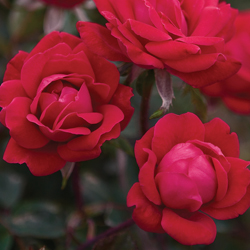
  • Knock Out®: The original. Cherry red, single flowers.
  • Double Knock Out®: Twice as much fun with cherry red, double flowers.
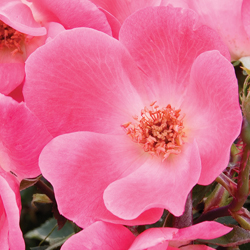
  • Pink Knock Out®: Bright pink, single flowers.
  • Pink Double Knock Out®: Double duty with bright pink, double flowers
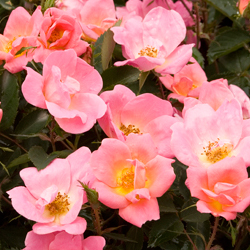
  • Rainbow Knock Out®: Single flowers in coral-pink with yellow centers.
  • Blushing Knock Out®: Gentle beauty with pale pink, single flowers.
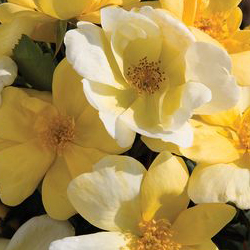
  • Sunny Knock Out®: A splash of brightness with fragrant yellow, single flowers.

Sunflowers

Grow one of the oldest American cultivated plants and join the Incas and Aztecs who grew – and revered – sunflowers more than 4,600 years ago.

Types of Sunflowers

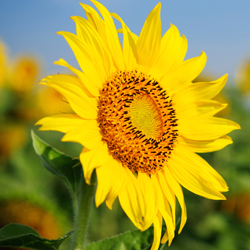
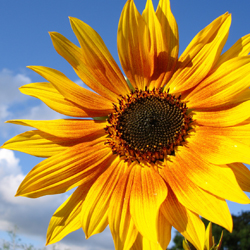
While there wasn’t much variety in the sunflowers for ancient civilizations to grow, there certainly is now. ‘Russian Giant’ quickly grows to 12′ tall with a huge medium brown “face” surrounded by bright yellow petals. On the other hand, ‘Choco Sun’ looks similar but only grows to 15″ tall and with a 5″ face.

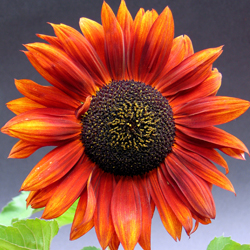
Don’t think all sunflowers are vertically growing brown and yellow either. ‘Cherry Rose’ has the familiar brown face, however deep red petals with tips of bright yellow-gold surround it. ‘Pastiche’ glows in reds, oranges and buffs. ‘Black Magic’ is completely dark. And ‘Inca Gold’ trails downward!

Kids love planting and watching their sunflower grow, grow and grow, and there are plenty of fun science projects kids can experiment with sunflower seeds. Later, eating the seeds is a healthy snack.

The folks in Kansas chose the sunflower as their state flower. As an American native plant, its diverse uses make it one of the economic forces in the agricultural world. As a crop, its seeds are in human and bird snacks, the oil is used for cooking and the remaining pulp is a popular livestock feed. Sunflowers also make gorgeous cut flowers in summer and fall.

Growing Sunflowers

Many sunflower varieties are available as seeds. Also, many garden centers often offer a selection of well-rooted seedlings or small plants. Tall or short, yellow or red, upright or trailing, the growing requirements are the same.

Start seeds indoors six weeks before the last frost date or sow seeds directly into the garden after all danger of frost has passed. Cover seed with 1/2″ of soil. Improve growth and bloom by working compost into the outdoor bed or pot. If you are growing giant sunflowers, provide a support such as a trellis or stake. Otherwise, they may fall over as they grow when the large heads get heavy with seeds.

Chose an outdoor location in full sun. As these plants develop, the flower heads will “track” the sun daily. However, contrary to popular myth, after the face develops, it stops and puts energy into seed production. To see the plant’s face, choose a location where you will see the flower facing eastwardly. At least six hours of sunlight produces beautiful flowers and abundant seeds. Provide regular water or plant seeds in a naturally moist location. They bloom from midsummer into autumn.

Birds love sunflower seeds. Therefore, cover the heads with netting if you plan to harvest. When harvesting, cut 12″ of stem with the head, hang it upside down and allow the head to dry. The seeds will loosen and be easy to rub off once dry. Alternatively, you may leave the flower on the plant to provide bird food through the fall and winter, or give the whole cut head to hungry birds. They’ll thank you for it. Just be sure to save a few seeds for next year’s sunflower garden!