

Author Archives: Chestnut Hill Nursery

Easy-to-Grow Indoor Herbs for Winter

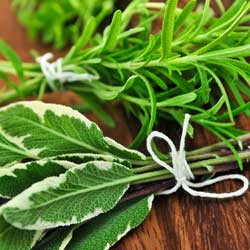
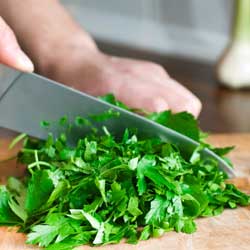
Even though it may be miserable weather outside, you don’t have to be stuck buying overpriced fresh herbs at the store or using less flavorful dried herbs. Why not grow your own inside the house? Most common herbs will grow quite happily in a sunny window at any time year, even when the weather outside is less than garden-friendly.

Where to Grow Your Herbs

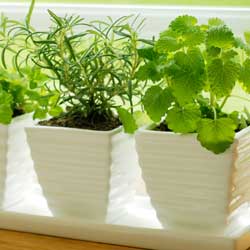
Any sunny window can be great for growing indoor herbs, but most people prefer to keep their herbs in the kitchen. After all, it’s probably warm and sunny there. Moreover, think how great it would be to just reach over to your indoor herb garden, take a few snips of this and that, and serve “garden fresh” tasting foods to your family and guests.

Best Indoor Herb Choices

Wondering what herbs will do best indoors? The most popular and easily grown herbs for your kitchen garden include…

Basil Oregano
Chives Parsley
Lemon Balm Rosemary
Marjoram Sage
Mint Thyme

Herbs are great, but don’t overlook edible flowers as well! Pansies, marigolds and nasturtiums grow well inside the house when given sufficient light and add whimsical color and texture to salads and other meals.

Easy Tips for Growing Herbs Indoors

Growing herbs is no different than growing most houseplants. Luckily, herbs aren’t as fussy as many other plants. To grow the best, freshest and most flavorful herbs, consider…

  • Light
    Brighter is better. South, southwest or western-facing windows should provide a minimum of four hours of sunlight. If none of your windows provides this, you may want to add indoor grow lights to supplement the sunlight your herbs receive.
  • Soil
    Herbs do not require rich soil nor will they do well in heavy soil. Be sure to use a prepackaged potting mix instead of outdoor garden soil that may contain insects and weeds. Special herb mixtures provide the perfect balance of drainage, water retention and fertility for growing herbs.
  • Fertilizing
    Plan to fertilize more frequently than you would if your herbs were growing outdoors. Fertilize every other week with a weak solution of liquid fertilizer.
  • Watering
    Because some herbs prefer more water than others, it is best to plant different herbs in separate pots. When choosing a pot, remember a smaller pot will dry out sooner than a larger pot and will require more frequent watering. Clay pots dry more quickly than plastic or ceramic. It’s a good idea to give your herbs a quick monthly “rain” shower under the faucet to wash off house oils and dust.
  • Drainage
    Herbs don’t like sitting in wet soil, so pots with drainage holes at the bottom are essential. Be sure to use a saucer or pan to catch the draining water and prevent damage to your windowsill or table, but do not let the pot sit in a puddle for long or it may encourage root rot.
  • Harvesting
    When you’re ready to enjoy your herbs, snip and use the older leaves to encourage more plant growth. Keeping the plant smaller and bushier discourages flowering that changes the taste. Although the plants will be smaller and less lush than those grown outside, their flavor and convenience will make you forget about the winter weather!

When spring returns, you may find yourself addicted to growing your herbs in pots. After all, pots contain unruly herbs such as mint, can be decoratively arranged on your deck or balcony and continue providing delicious and healthful benefits in your cooking for many months. Bon appétit!
EasytoGrowHerbs_1EasytoGrowHerbs_2

EasytoGrowHerbs_3

The Benefits of Plants in the Workplace

Time spent in nature is well known to provide many physical, mental and emotional benefits, but what if your work schedule and career keep you in an office without many opportunities for heading outdoors? You can bring the outdoors in and reap many of the same benefits.

Plants Can Improve Your Workplace

There has been extensive research done regarding the benefits of plants in the workplace. With full time employees spending approximately one-quarter of their lives at work it is important that these buildings provide an environment of beauty, health and comfort. Studies confirm that there are both physiological and psychological benefits to surrounding yourself with nature at work. An eight-month study conducted by a Texas A&M University research team has concluded that plants significantly reduce workplace stress and enhance employee productivity, a win-win situation for both employer and employee. Other studies have verified those findings, as well as expanded the list of benefits plants can provide when used judiciously as part of an indoor workplace.

The presence of plants in the workplace can…

  • Lower blood pressure
  • Reduce stress
  • Increase humidity
  • Reduce illness
  • Purify air
  • Reduce dust
  • Lower energy costs
  • Quicken employee response time
  • Enhance problem solving ability
  • Spark creativity
  • Increase brain activity
  • Provide a positive outlook
  • Act as a mood elevator
  • Have a calming affect
  • Boost learning
  • Contribute to noise reduction
  • Improve office appearance
  • Reduce distractions

With so many obvious benefits just by including plants in office décor, every office – whether it is a large corporation, a simple business or a cozy home office – should include at least a few plants.

Bringing Plants to Work

There are many easy ways to blend plants into office décor. Popular ways to integrate plants into the office include…

  • Larger potted plants or containers in a greeting or reception area.
  • Ferns or hanging pots in broad windows.
  • A ficus tree or other large pot near a water cooler.
  • Pothos or other trailing plants on top of cabinets in a break area.
  • Small plants and flowers on individual desks.
  • Decorating for holidays with seasonal plants.
  • Giving office plants as gifts for work anniversaries, welcomes, etc.

When choosing plants for the office, be sure to opt for plants that will function best in the environment. Take into consideration temperatures, light levels and humidity so the plants will thrive. Selecting low-maintenance plants that can withstand good-natured neglect is also wise, so they will still thrive even when project deadlines, committee meetings and vacation days may make their care sporadic. Fortunately, there are many great plants that can liven up an office, and each one will bring great benefits to the workplace.

workplace-2workplace-3

workplace-1

Creating Humidity for Houseplant Health

Have your houseplants been looking dingy and dry no matter how much you may water them? Have they lost the lustrous glow their foliage first had when you got them? Poor humidity may be the cause. Many of our houseplants hail from the tropics and grow in humidity of 50-80 percent, considerably more humid than typical homes. The trick is to know your plant’s preferences and be able satisfy it. Putting a cactus in the shower will cause it to rot, while a fern is perfectly happy.

But what can you do if you really want that fern in the family room where the humidity may only be 20 percent in the winter? If your plant has brown leaf tips or margins it probably needs more humidity and is asking you to increase it. Luckily, it’s easier to add humidity than it is to take it away.

Easy Ways to Increase Humidity

There are several ways you can easily increase the humidity around your houseplants. If they only need the air a little more humid, just one technique may be sufficient, but if they are humidity-loving plants, you may want to try several options at once to really give them a humidity boost.

  • Pebble Tray
    Place an inch of small pebbles, marbles, shells or gravel in a 2″ deep tray, half fill the tray with water and set your plant on the pebbles. Don’t set the pot in the water, as the wicking action will saturate the pot soil and could lead to rotting roots and overwatering. As the water in the tray evaporates, it increases the humidity immediately around the plant. When you water the plant, pour out the water from the tray to prevent mineral buildup, algae and insect growth.
  • Plant Grouping
    Rather than spacing plants throughout the room, group them together to take advantage of the moisture each plant produces through transpiration. Grouping plants can increase humidity by as much as 15 percent. Place the entire group on a pebble tray if additional humidity is required. Allow air circulation between the plants by ensuring the plants are not touching each other, and rotate individual plants periodically to encourage straight growth and distribute humidity absorption.
  • Misting
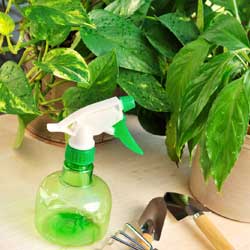
    Use a misting bottle daily to increase humidity and cleanse leaf pores, which tend to clog with dust. However, to prevent leaf rot, do not mist plants with “velvety” leaves such as African violets. Do not over-mist plants to the point where their leaves are dripping wet, or else they may suffer from overwatering.
  • Humidifiers
    Available in a variety of sizes, humidifiers increase the humidity in a larger space. You may also find yourself breathing better when using a humidifier. Our houses become very dry in the winter because of furnaces, heat pumps and fireplaces, and humidifiers can not only help houseplants, but can also help alleviate dry skin, limp hair, chapped lips and hacking coughs.
  • Terrariums
    If your house is just too dry for the plants you would like to grow, try planting them in a terrarium. These nearly enclosed vessels create miniature environments perfect for humidity-loving tropical plants such as ferns, orchids and mosses. You will still need to water your terrarium, but because much of the moisture is trapped, the humidity in the enclosure is much higher.

Keeping your humidity-loving houseplants happy in the winter isn’t difficult. Come in and see us to ask questions, get answers and pick up the simple supplies to make your home a houseplant haven.

HumidityforHouseplant_1

Blooming Plants: Brighten Your Home & Office

It is no secret that houseplants can beautify your home and office as well as freshen the air, promote relaxation and improve concentration. But if you’re tired of plain foliage and miss the colorful bursts of your annual and perennial flowerbeds, why not opt for flowering plants indoors as well? There are many beautiful bloomers that can brighten up your home and office throughout the year.

Orchids

Orchids are favorite flowers that add an exotic touch to any décor. The most popular varieties for indoor blooming include…

  • Phalenopsis (Moth Orchid) – This favorite selection can continue to spike up to 9 months during the year and is considered the easiest to bloom
  • Dendrobium – Many fragrant varieties in lots of colors, can rebloom 1-4 times per year
  • Cattleya – Large standard variety blooms once per year, miniature varieties can bloom 2-3 times per year, many fragrant varieties, colors and sizes of flowers
  • Oncidium (Dancing Lady Orchid) – Blooms once per year and lasts 6-8 weeks
  • Paphiopedilum (Lady Slipper Orchid) – Blooms once per year with blooms lasting 6-8 weeks, very exotic.

Cyclamen

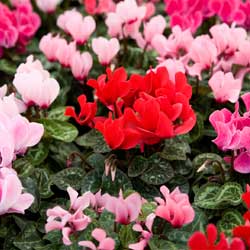
This popular plant produces a profusion of colorful flowers that bloom for a long time, ideal for adding reliable color and life indoors. Keep cyclamen evenly moist from September through May. Let them dry from June to August, so the tuber can rest and recover from the intense effort of the prolonged bloom cycle. Ideal light is a sunny east or west window. Cyclamen prefer a cool room (60-70 degrees). Feed them from September to May, then stop for the summer months.

African Violets

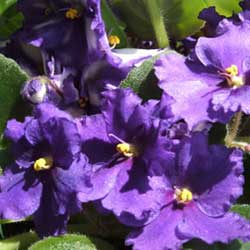
These small, robust plants are by far the most popular houseplant and among the easiest flowering houseplant that blooms all year long. Choose from a wide selection of pink, purple, magenta, white and blue options in both double and single blooms. African violets prefer bright, diffused or artificial light. Feed regularly and water from the bottom so as not to get water on the leaves, which could promote diseases and fungus. Be sure to empty any excess water so the roots do not rot.

Kalanchoe

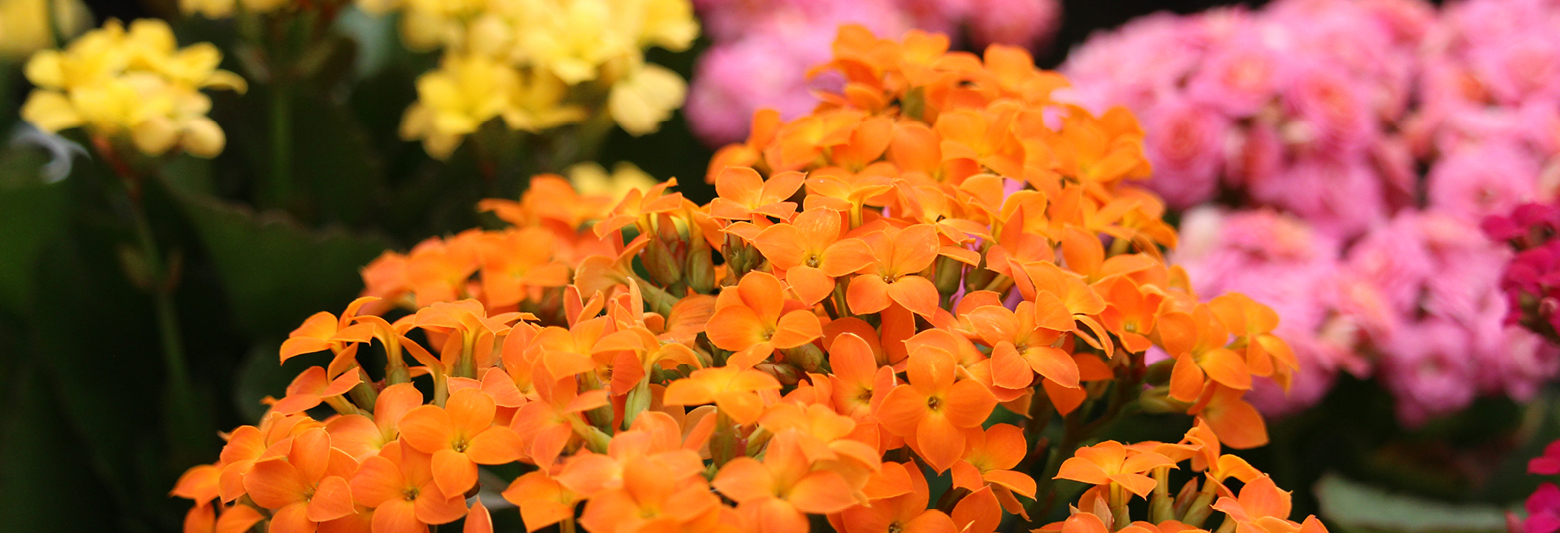
These blooming plants’ flowers last for many weeks. Kalanchoes grow 8-12 inches tall with masses of small four-petaled leaves that are red, orange, coral, gold, yellow and purple. They have thick, waxy leaves with a succulent appearance and can withstand periods of dry soil, making them a good option for beginners or in offices that may be closed for holidays or other periods when the plants may be somewhat neglected. Water when soil feels dry to the touch and drain excess water from tray. Maintain flower color with bright, indirect sunlight daily for at least four hours.

Bonsai

If you haven’t tried it, the art of training a dwarf potted tree is a fascinating hobby. Because the soil around the bonsai plant is limited, these plants need watering almost every day, and sometimes twice a day during the hot summer. We carry a wide selection of starter plants and mature specimens from evergreen selections to tropical varieties. Some will bloom with true flowers, while others – though they don’t produce flowers – have such delicate and pleasing structures that their appearance is every bit as lovely as the most gorgeous bloom.

Not sure which blooming plant will be best for your home or office? Stop in and we’ll be happy to help you choose just the right plant to brighten your space!

blooming-ho-2

blooming-ho-3

blooming-ho

Year-Round Container Gardens

The best gardens provide interest all twelve months of the year. In the spring and summer, gardens are full of color with bright, cheerful bulbs, pastel spring-flowering trees, vivid, multi-colored bedding plants and striking perennials; fall gives us shades of yellow, gold, orange, red and purple with the changing of the season, as well as abundant fruits and berries. Winter has its attractions as well with evergreens, hardy plants and persistent berries. With a little planning, container gardens can give us color and variety every month of the year.

Planning for Winter Container Gardens

While most gardeners have no trouble creating lush container gardens for spring, summer and fall, winter is more of a challenge, especially if you hope to enjoy the same plants in every season. Fortunately, many plants are suitable for winter container gardening. The best choices include evergreens, shrubs with berries, those with contorted branches or interesting bark and buds or later winter-flowering shrubs. These plants remain in the containers for year-round interest, while bulbs, annuals and perennials can be switched out for colorful seasonal interest. Consider how all the plants will change seasonally so you can create a living tableau that will retain gorgeous shape, form, color and texture throughout the year.

Planting and Care for Year-Round Container Gardens

When planting containers for all-season interest, frost-proof pots should be your choice. This includes fiberglass, polyethylene and structural foam planters. These pots resist winter damage, insulate to help regulate the soil temperature and retain moisture better than porous pots. They are also lightweight, so they can be more easily moved to a sheltered location in poor weather, or shifted to a sunny spot on a warm day.

Plant containers as you normally would, following good horticulture practices – enriching the soil, providing proper drainage and arranging plants for the best visual appeal. Be certain to give your pots shelter from the prevailing winds and water your plants when needed to keep roots from drying out. To water, check the soil moisture when temperatures rise above 40 degrees and add cold water as necessary. You may want to shift the containers’ location each season for the best light and weather protection. In winter, it may also be useful to add an insulating blanket around the pot or to provide more wind protection by stacking hay bales around the container.

Plants for Winter Interest in Year-Round Containers

While some plants are stunning for a season, the following plants are proven winners in winter and will bring great interest to your containers.

Evergreens

  • Buxus (Common Boxwood)
  • Pinus (Dwarf and Semi-Dwarf Pines)
  • Thuja (Dwarf Arborvitaes)
  • Juniperus (Dwarf Junipers)
  • Tsuga (Dwarf Hemlock)
  • Picea (Dwarf Spruces)
  • Taxus baccata (English Yew)
  • Chamaecyparis pisifera ‘Filifera Aurea’ (Golden Japanese False Cypress)
  • Pieris Japonica (Japanese Pieris)
  • Kalmia latifolia (Mountain Laurel)
  • Microbiota (Siberian Cypress)
  • Euonymus fortunei (Wintercreeper)
  • Sciadopitys verticillata (Japanese Umbrella Pine)

Deciduous

  • Amelanchier arboreo (Downy Serviceberry)
  • Fothergilla gardenii (Dwarf Fothergilla)
  • Corylus avellana ‘Contorta’ (Harry Lauder’s Walking Stick)
  • Ilex verticillata ‘Nana’ (Winterberry Holly)
  • Hydrangea paniculata ‘Grandiflora’ (PeeGee Hydrangea)
  • Cotoneaster (Cotoneaster)

Late Winter/Early Spring Accent Plants

  • Helleborus (Christmas and Lenton Rose)
  • Primrose
  • Ajuga
  • Violas or Pansies
  • Crocus*
  • Snowdrops*
  • Dwarf Iris*
  • Ivy

*Plant these bulbs in fall for winter flowering.

No matter what you choose to plant, it’s easier than you think to design delightful containers that will catch everyone’s eye all winter long.

year-round-container-gardening-4

year-round-container-gardening-1

year-round-container-gardening-2

year-round-container-gardening-3

Feeding the Birds

When a bird’s natural plant food has waned or withered away in late winter, a few well-placed feeders can entice a feathered friend to stay nearby. There are four basic types of feeders, but the type of feeder and food it’s filled with will determine which birds will visit. Which do you want in your yard?

Feeder Types and the Birds They Attract

While birds will visit a variety of different feeders, the best options for winter birds are…

  • Tray / Platform Feeders
    A tray or platform feeder with low sides and a wide, open base placed one to three feet above the ground will lure ground-feeding birds like juncos, towhees and mourning doves. Grouse and quail may also visit this type of feeder, and these feeders are ideal for offering food to large flocks of birds.
  • House Hopper Feeders
    Hung from a tree or hook or mounted on a pole, “house” style feeders with seed hoppers and perches on the side will usually entice grosbeaks, cardinals and jays, as well as sparrows and finches. These feeders help keep seed dry and can hold a larger quantity of seed so refills are not as frequent.
  • Tube Feeders
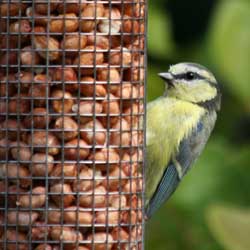
    Long, cylindrical tube feeders suspended in air will bring in an array of small birds, including finches, titmice, nuthatches, siskins, redpolls and chickadees. These feeders may have either mesh-like sides where birds can easily cling, or they may have multiple perches to accommodate more birds. Sock-style feeders are also popular.
  • Suet Feeders
    A cage-like feeder that holds a cake of rich, fatty suet is a bird magnet for woodpeckers, wrens, titmice, nuthatches, titmice, mockingbirds and jays. A standard suet cage can hold just one cake and can be hung from a pole or branch. Larger suet feeders may hold multiple cakes, and some suet feeders are even designed as logs or other shapes to hold suet plugs or balls.

Best Winter Bird Foods

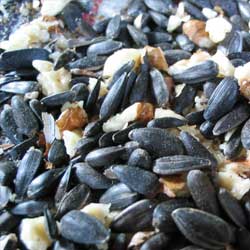
Birds will seldom drop or pick out unwanted seeds if you fill your feeder with only one type of seed rather than a generic mix. Black oil sunflower seeds are the most widely preferred, though white millet is popular for smaller finches, sparrows and ground-feeding birds. A tube feeder containing Nyjer (thistle) seeds will whet the appetite of goldfinches, siskins or redpolls. Jays, chickadees and juncos love peanuts or cracked corn as a treat in a tray feeder. Suet is another fine treat that offers great calories to keep winter birds healthy.

No matter which type of bird feeder you offer or how you fill it, you are sure to enjoy the company of a hungry winter flock. Keep the feeder filled and clean, and the birds will continue to visit all winter long.

Tropical Outdoor Living Room

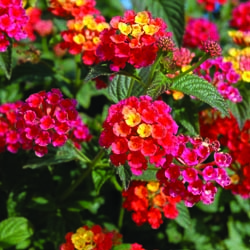
This year, discover the pleasure of tropical plants by transforming your courtyard, balcony, flat roof or deck into a wonderland oasis. If you haven’t experienced the hot colors and unusual textures of plants like mandevilla, dipladenia, stephanotis, passion vine, bouganvillea, oleander, hibiscus, lantana and Pandora’s vine, you’re in for a treat!

Growing Tropical Plants

Tropical plants can be grown in pots and planters almost anywhere, providing they get at least 6 hours of sun daily. Fertilize them weekly with Jack’s Classic Blossom Booster and keep the soil evenly moist. Spray every 10-14 days with a light concentration of Bonide All-Season Oil Spray to control insects like mealybugs, aphids and scale. Check for each individual plant’s needs for proper fertilization, space and other care, and you’ll discover that tropical plants are no more difficult to care for than any container garden.

Creating Tropical Arrangements

Tropical plants can pack a punch by themselves, but they look even more lush and paradise-like in thoughtful arrangements. Go for the filler-thriller-spiller formula when planning a tropical container, and choose plants with good contrasting colors and unique foliage to make the most of every combination. To help the plants “pop” in the arrangements, opt for more understated, neutral pot or container colors, and let the vibrancy of the plants shine through.

More Tips for a Tropical Outdoor Living Room

To give your outdoor living space a truly tropical feel…

  • Use wicker, bamboo or similar tropical materials for outdoor furniture, topping chairs and loungers with bold patterns and bright colors for a tropical vibe.
  • Use louvered shutters to enclose a shady spot but still catch breezes, and go for a beachy look with driftwood-esque stains and finishes.
  • Add torches or lanterns for ambient lighting, or add a touch of whimsy with a string of lights with tropical themes, such as palm trees or flip flops.
  • Add cute tropical flair to the yard with a lawn flamingo, seashell fountain, teal gazing ball or similar decorative accents. Pineapple, flamingo, nautical and beach themes are popular.
  • Include a water feature if possible for that splashing wave sound. A tabletop fountain or even a sound machine can create a similar tropical ambiance to enjoy.
  • Serve up the tropics with beachy beverages, fresh fruit and themed appetizers whenever you entertain in your tropical outdoor living space.

No matter where your garden may be, you can add a touch of the tropics when you plan a fun and inviting tropical outdoor living room.

tropicaloutdoor1

tropicaloutdoor2

Lighting Up Your Nighttime Garden

Do you work all day in an office, on the road or even in the garden, but never have the time to enjoy the beautiful plants you spend time nurturing? Evening gardens are meant to help us relax, encourage savoring a refreshing evening and wrap us in their brilliance, and one of the best ways to enhance your nighttime garden is with the right lighting to make it shine even in the darkness.

Natural Light in a Nighttime Garden

Extending the pleasure of your garden immensely, moonlight and star shine will illuminate flowers and foliage making the garden at night a different experience, almost surreal and magical. It can be especially enchanting when fireflies gently meander through the air, adding their ethereal glow to the landscape.

At nighttime, the garden develops hidden depths as the colors fade in the dusk. Red takes on a deep mysterious glow until it is lost into darkness when only the palest flowers begin to glimmer. Foliage casts shadows that soften the harsh corners of decks, sheds and structures. Scents are more apparent after a warm day as well as a calm, soothing feeling descends, and pesky biting insects retire as well – this is truly a wonderful time to enjoy your garden.

Artificial Light in the Night Garden

Enhancing the moonlight is a great way to create a spectacular night-time garden. Artificial light, besides serving a practical function, can add more interest to the evening garden, illuminating pathways and highlighting specific features.

Accent lighting creates a dramatic effect. Uplight trees, sculptures, pergolas, arbors, or large shrubs with recessed, understated lighting features to create a luminous glow. Create down-light from above to ‘moonlight’ paths or patios with either tall light fixtures or smaller pathway fixtures.

Add portable light with lanterns, torches and simple staked candles. This is great for barbeque areas, decks and entertainment areas, helping increase illumination for better visibility and evening energy. Candles are also nice because their flames flicker in the breeze and create shadows and reflections, but if it is too windy, be sure the flames are protected from vigorous breezes that will blow them out.

For the most dramatic nighttime lighting in your garden, consider specific features that will become showstoppers after dark. An elegant fire pit can be an evening gathering place and just the right spot for roasting marshmallows and chatting with friends. A waterfall or fountain can also be carefully lit to create an elegant, mystical mood with eye-catching sparkles as the light catches every splash.

To make the most of your garden lighting, position lights so they do not shine directly in your eyes as you move through the garden. If you are near a street, make sure your lighting won’t be canceled by streetlights, overwhelmed by passing traffic or distracting to drivers.

You don’t need to stop enjoying your garden when the sun goes down. With the right illumination – making the most of natural nighttime light and enhancing it with carefully chosen lighting – after dark can be when your garden really shines its brightest.

Autumn

nighttime3

nighttime1

Seed Starting

Starting seeds indoors is a rewarding gardening experience and can help extend your growing season to include more plant varieties than your outdoor season may permit. Furthermore, a larger selection of seed varieties doesn’t limit your opportunities to growing only those transplants that are available at planting time. The key to success in growing seedlings is in creating the proper environment.

What Seeds Need

Seeds are generally hardy, but to start them properly they do need gentle nurturing so they can produce healthy, vibrant plants. In general, seeds should be started 4-6 weeks before the recommended planting time so the seedlings will be large and strong enough to withstand the stresses of transplanting. Use a sterile growing mix which is light enough to encourage rich root growth. Sow the seeds thinly and cover lightly with sphagnum peat moss. Water using a fine spray but do not soak the seeds – they also need oxygen to germinate, and if they are overwatered they will drown. Cover the container with clear plastic to hold the moisture and increase humidity. Place the containers in a warm (70-80 degrees) spot and watch daily for germination. The top of the refrigerator is often an ideal location. When the first seeds germinate, place the seedlings in bright light or under artificial lights (tube lights should be 2-3” from seedling tops) for several hours each day, since late winter sunlight will not usually be sufficient to prevent weak, leggy seedlings. Daytime temperatures should range from 70-75 degrees. Night time temperatures should range from 60-65 degrees.

As Seeds Grow

When the seedlings develop their first true sets of leaves, add half-strength water soluble fertilizer to their water – organic fish emulsion or seaweed fertilizers are great to use. Repeat every second week to provide good nourishment. Thin the seedlings or transplant them to larger containers as they grow. Before planting outdoors, harden-off the plants at least one week before the planting date. Take the transplants outdoors in the daytime and bring them in at night if frost is likely. Gradually expose them to lower temperatures and more sunlight. The use of hotcaps and frost blankets to cover early plantings will also aid in the hardening off process so the seedlings can adjust well to their new outdoor environment.

Transplanting Seeds

Transplant seedlings into the garden after the safe planting date on a calm, overcast day. Pack the soil around the transplant with as little root disturbance as possible. Sprinkle the plants with water, keeping the soil moist until the plants become established.

Popular Indoor Seed Start Dates

The exact dates you want to start seeds will vary depending on your local growing season, the varieties of plants you choose and what their needs are. In general, dates for the most popular produce include…

Vegetable Seed Starting Dates

  • February – Asparagus, celery, onion
  • March 1 – Broccoli, Brussels sprouts, cabbage, cauliflower, collards, kale, lettuce
  • March 15 – Eggplant, peppers, tomatoes
  • April 1 – Summer squash
  • April 15 – Cantaloupes, cucumbers, winter squash

Flower Seed Starting Dates

  • January/February – Begonia, carnation, geranium, impatiens, nicotiana, pansy, rudbeckia, salvia, snapdragon, verbena, vinca
  • March 1 – Ageratum, dahlia, dianthus, petunia
  • April 15 – Aster, calendula, celosia, marigold, zinnia

Use seed starting dates as a general guide to ensure your seeds have plenty of time to reach their full harvest potential before the weather turns in autumn. At the same time, consider staggering seed starting every few days to lengthen your harvest and keep your favorite vegetables and flowers coming even longer during the growing season. As you gain more experience with starting seeds, you’ll be able to carefully plan your seed calendar to ensure a lush, rich, long harvest season.

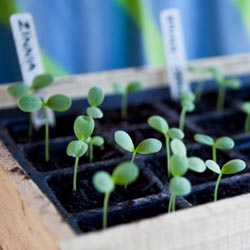
Old wooden seed tray with plant seedlings of various kinds (Zinnia and Pea).

Winter Vegetables on the Table

Winter marks a seasonal change. Our bodies seem to crave deeper, more tantalizing, richer tastes rather than light, bright, fruity flavors of summer. Harvesting vegetables in the late fall, and sometimes into the winter, presents us with bounty for slow, simple and savory cooking. All winter vegetables may be boiled, roasted, grilled, stewed, sautéed, steamed or eaten raw.

Which Vegetables Are Winter Vegetables?

Winter vegetables are generally considered those that are either harvested late in the season or have the capability of being kept for several weeks or months without losing their flavor, texture and nutritional value. Which of these will grace your table?

The cole, or cruciferous, vegetables such as broccoli, Brussels sprouts, cabbage, cauliflower, turnips and kohlrabi rank highly for many nutrients including vitamin C, soluble fiber and other nutrients with anticancer properties. Interestingly, boiling seems to reduce the potency of these nutrients, but other cooking methods don’t.

Root crops, including beets and carrots, sustain life around the world. Beets provide folate, nitrates and manganese in dishes such as borscht and pickled beets. Carrots contain diverse vitamins including A, C, K and B6 and antioxidants from carotenoids. Interestingly, recent research suggests many people prefer the flavor of steamed carrots to boiled.

Fennel, with its anise flavor, jazzes up meals throughout the world but is a favorite in Mediterranean and Italian cuisine. It tops nutritional lists with its antioxidant benefits. Try some raw in salads and appetizers.

Celery, related to fennel, adds a distinctive crunch when used in salads as a raw ingredient or a stronger flavor to soups and stews. With a mild taste, celery is versatile in a wide range of dishes, including mashes, stuffings and roasts.

Potatoes and sweet potatoes, long associated with the typical American holiday meal, contain many healthful benefits. According to research, boiling or steaming sweet potato provides the most health benefits; the phytochemicals in them rival that of broccoli. Roasting or baking potatoes is a healthy way to enjoy them, provided you are sparing with the toppings.

Winter squashes, from acorn to pumpkins, also serve as healthy sources of carbohydrates. Because 90 percent of the calories are starch-related, people are surprised at recent studies proving the antioxidant, anti-inflammatory and insulin-regulating effects of winter squash. Additionally, the roasted seeds make a delicious and healthful snack.

Winter Vegetable Recipes to Savor

Have you ever wondered how to roast vegetables? It’s easy! Just wash the vegetables, cut into 1″x1″ cubes, and place in mixing bowl. Drizzle over a few tablespoons extra virgin olive oil and mix to cover all pieces. Place as a single layer in a cookie or roasting pan. Sprinkle with salt and pepper and cook at 375⁰ Fahrenheit for approximately 45 minutes or until the desired texture is reached. Jazz it up with cinnamon, garlic, curry, rosemary or any other favorite spice or seasoning mix.

Here are some other recipes to bring these wonderful winter vegetables to your table. Bon appétit!

Roasted Winter Squash Seed and Cheese Ball Appetizer

Step 1: Roast winter squash seeds by cutting the winter squash in half and removing the seeds and stringy “gunk.” Put into a bowl half filled with water and rub between your hands to separate the seeds from the strings. Rinse the seeds again and spread out on a cookie sheet. Use a hair dryer or place in 150⁰ Fahrenheit oven to dry. Stirring every 10 minutes reduces drying time and ensures even drying.

Step 2: When dry, place seeds in bowl and combine with choice of seasonings. Mix thoroughly. Return to cookie sheet. Place in 275⁰ Fahrenheit oven for 10-20 minutes. Watch closely to prevent burning. When cool, chop finely to coat cheese ball.

Seasoning ideas

  1. Latino: 4 Tbs. melted butter, 2 tsp. chili powder, 1 tsp. oregano
  2. Asian: 4 Tbs. melted butter, 2 tsp. ground ginger, 1 tsp. hot mustard, 1 tsp. honey
  3. Holiday: 4 Tbs. melted butter, 2 tsp. cinnamon, 1 tsp. nutmeg, 2 tsp. sugar
  4. Use your imagination!

Step 3: Make cheese ball.

Ingredients:

2 pkg. (8 oz. each) softened Neufchatel cheese

1/2 cup shredded sharp cheddar cheese (Low fat)

Directions:

Beat Neufchatel and cheddar in small bowl with mixer until well blended. Refrigerate 1 hour. Shape into ball. Press seasoned winter squash seeds onto cheese ball.

Serve with complimentary crackers, tortilla chips, pretzels or flatbread.

Winter Squash Casserole

(serves 2)

Ingredients:

2 Cups winter squash, peeled and cut into 1-inch cubes

3 Tbs. extra virgin olive or macadamia nut oil

1 tsp. orange juice

1 tsp. lemon juice

Directions:

Steam squash chunks, covered, for 7-8 minutes, until just tender

Mix remaining ingredients, pour over squash in bowl

Toss while still warm. Serve.

Other Ideas:

  • Cook 1/2 C chopped onion with squash, or
  • Add fresh herbs such as basil or rosemary to liquid dressing, or
  • Sweeten with 1 tsp. cinnamon and 2 tsp. honey, or
  • For Asian flavoring, add 1 Tbs. minced fresh ginger, 2 tsp. soy sauce

Super Easy Grilled (or Baked) Cauliflower

  1. Remove the leaves. Cut the head in two, core the stem. Place both on large piece of heavy-duty foil.
  2. Melt 1/2 Cup butter with 2 tsp. garlic salt and 2 tsp. lemon pepper.
  3. Drizzle half of butter mixture over each half and sprinkle each with 3 Tbs. parmesan cheese
  4. Rejoin the two halves and drizzle remaining butter mixture on the outside.
  5. Fold foil around, creating a ball.

Cook at 350⁰ Fahrenheit for approximately an hour or until soft. Delicious!